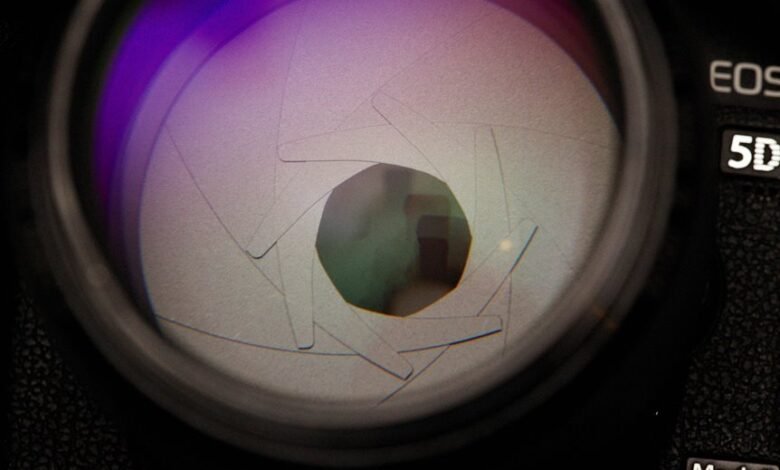
Aperture Priority centers control on the lens f-stop, while the camera tunes shutter speed to the scene. Start with the aperture to shape depth of field, then decide whether to adjust ISO or let shutter speed respond. Consider edge lighting, subject isolation, and how DOF affects perceived sharpness. Use fast lenses when speed matters and keep exposure decisions intentional. The choice sets the rhythm of the shot, but every scene tests that balance—so what comes next is the real test.
What Aperture Priority Actually Controls
Aperture Priority controls the exposure by selecting the lens aperture while the camera automatically adjusts the shutter speed. In this mode, aperture changes directly affect light intake and depth feel, shaping exposure control.
The photographer delegates light management to the device, while maintaining creative influence over aperture effects, contrast, and tonal balance.
Precision remains essential for consistent results and intentional imagery.
Reading Depth of Field for Real-Life Scenes
Depth of field (DOF) is judged by how much of a scene remains acceptably sharp, from foreground to background. Reading depth depends on focal length, distance, and aperture, guiding decisions in real life scenes. Aperture control offers predictable results, but readers must quantify acceptable sharpness. This approach favors disciplined awareness over sensationalism, enabling confident, freedom-minded composition without unnecessary conjecture or ambiguity.
Managing Light With Aperture: Practical Rules of Thumb
In practical terms, light control through aperture matters most when brightness, depth, and noise constraints intersect at the scene’s edges. A practical contrast strategy guides exposure decisions, balancing highlights and shadows while preserving intent.
Aperture choices influence sensor noise at higher ISOs, demanding discipline: choose mid apertures for clarity, reserve wide openings for shallow depth, and stop down to manage data integrity.
Adapting to Changing Focus Needs: When to Prioritize Sharpness vs. Subject Isolation
As focus needs shift between sharpness and subject isolation, practitioners must assess whether the priority is rendering fine texture and edge detail or separating the subject from a busy background. In practice, depth of field decisions hinge on scene intent, timing, and available light. Focus landmarks guide adjustments, balancing foreground crispness with background separation to maintain intentional clarity.
Quick Workflows to Think in Aperture Priority Without Guesswork
Quick workflows in aperture priority help photographers think in terms of depth of field and exposure without guessing. The approach favors decisiveness: set a target aperture, then adjust ISO or shutter speed only as needed to maintain correct exposure. Favor fast lens choices for speed and precision, and apply the rule of thirds to composition, minimizing trial corrections and maximizing creative control.
Frequently Asked Questions
How Does ISO Interact With APerture for Exposure in AP Mode?
In AP mode, ISO adjusts sensitivity while aperture sets light amount. Higher ISO allows smaller aperture without darkening, but increases noise; lower ISO requires larger aperture for same exposure. The photographer weighs aperture decisions against exposure balance and desired noise.
Can Aperture Priority Automate Focus Stacking or Bracketing Strategies?
Aperture priority cannot autonomously perform focus stacking; it supports automated bracketing strategies with manual setup. The camera may vary aperture while bracketing, but automated focus stacking requires dedicated tools or software outside pure AP mode.
How to Handle Moving Subjects Without Changing Exposure Manually?
Can moving subjects be handled without manual exposure changes? In aperture-priority, the photographer relies on consistent exposure through exposure compensation, adjusting for brightness shifts while maintaining depth-of-field; movement is managed by steady timing rather than constant manual tweaks.
Does Sensor Size Affect Depth-Of-Field in AP Mode?
Yes, sensor size affects depth of field in AP mode: larger sensors yield shallower DOF, smaller ones deeper. Autofocus speed and shutter lag influence practical timing, but do not negate this DOF relationship across aperture settings.
When Is Auto-Iso Preferable in Aperture-Priority Shooting?
Auto ISO is preferable when lighting is unpredictable or rapidly changing, ensuring a usable shutter speed; exposure compensation should adjust to preserve desired brightness. It keeps exposure flexible, decisively supporting an audience that values freedom and control.
Conclusion
Aperture Priority centers exposure on depth of field, guiding shutter speed automatically. Practically, photographers select the target f-stop to shape sharpness and subject isolation, then adjust ISO if needed rather than chasing light with shutter changes. Real scenes reveal how DOF influences perception: wide apertures blur distractions, narrow ones sharpen context. Rules of thumb help balance highlights and shadows, while fast lenses matter in low light. In dynamic conditions, prioritize aperture for intent, then adapt ISO to preserve exposure and motion.